
COFFEE
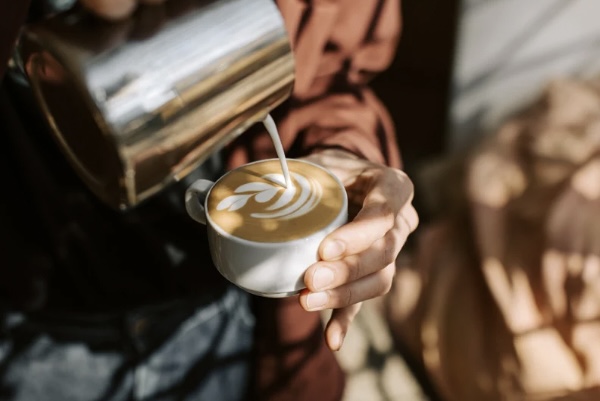
How Coffee and Beverage Brands Are Building Communities Around Their Products
Coffee has always been more than a beverage.
For many people, coffee is part of a daily routine, a social experience, a work ritual, or a personal preference.
That makes coffee and beverage brands particularly interesting from a community-building perspective.
Products Can Become Experiences
A cup of coffee is a product.
But the experience surrounding that coffee can become a brand.
Customers may care about:
- Where the coffee comes from
- How it is prepared
- Flavor profiles
- Brewing methods
- The atmosphere
- The people they meet
- The story behind the company
A successful beverage brand can therefore create an identity that goes beyond the drink itself.
Digital Communities Extend the Experience
A physical coffee shop has a natural limitation: customers must be physically present.
A digital community removes that limitation.
Customers can discuss products, share photographs, recommend drinks, discuss brewing methods, and interact with the brand even when they aren’t standing inside a store.
That creates a continuous relationship.
The Marketplace Opportunity
A beverage brand can also expand beyond the physical cup.
Customers may become interested in:
- Coffee beans
- Drinkware
- Clothing
- Accessories
- Specialty foods
- Gift products
- Brewing equipment
A marketplace can provide a way to expand the relationship between the consumer and the brand.
Franchising Adds Another Layer
Franchising can take the brand into additional communities and geographic markets.
Each location becomes a physical representation of the larger brand.
The digital ecosystem can help connect those locations together.
A customer might discover a brand through social media, purchase a product online, and eventually visit a franchise location.
Building a Lifestyle Brand
The most powerful brands frequently sell more than individual products.
They sell an experience, identity, or community.
For a modern coffee and beverage company, the opportunity isn’t simply to sell another cup of coffee.
It is to create a place—both digitally and physically—where customers want to return.